How (and WHY) We Calculate Component-Level Pricing
A transparent explanation of how and why ToolDecoded splits an offer's price across its components and presents discount percentages on offers.
The "Why" Behind ToolDecoded
ToolDecoded started as a nights-and-weekends project of a tool-addicted DIYer who was frustrated with the confusing model numbers, thousands of retailer SKUs, sales structures seemingly designed with the sole objective of confusing the **** out of customers, and the endless AI-slop-article and youtuber-shill promotion machine that pushes every new tool promotion as the greatest, most can't-miss deal that has ever existed (until the next day's sales, of course).
He started out with a simple goal in mind: to build a comparable database of power tools and retailer offers that actually puts power tool sales in the context of same/similar deals for same/similar components across various retailers and various points in time. The outcome is to provide an answer to the questions every power tool buyer has asked themselves before a purchase:
-
Exactly what tools are included in this offer?
-
Are there better deals for the same tools?
-
Are there better tools for the same price?
-
Should I buy now or should I wait for a better sale?
The key to doing this is what we refer to as "component effective pricing." Component effective pricing answers one question:
If you pay a single price for a bundle, how much of that price belongs to each tool, battery, charger, and accessory inside it?
Component effective pricing is the key to comparability across different offers, retailer SKUs, and manufacturer SKUs. Everything below describes the exact process.
1. Figure out what you actually pay
Every offer contains one or more listings. Each listing is either:
- required (you pay full price for it)
- bonus (its price is discounted based on a reward percentage)
The system adds these listings together to get the total price you truly paid for the offer.
A simple way to think about it is almost all non-BOGO offers are comprised of a single listing. A true Buy One, Get One offer would be comprised of one required listing (the Buy One) and a bonus listing at a 100% reward (the Get One).
2. Calculate the total list price value of the offer
Each component has a list price. First priority for list price is given to a consensus "regular" price among multiple retailers. In the absence of such consensus, MSRP is used when available. For components that are no longer actively sold as standalone products but are still included in kits, the list price is chosen from one or a combination of last known standalone list price, the list price of a direct successor component (with an appropriate discount), or the list price of comparable components.
The system multiplies each component’s list price by the quantity included in the bundle, and then adds all those amounts together. This gives a single number that represents the offer's total list price.
3. Allocate the paid price proportionally
Once we know:
- the offer's actual paid price, and
- the offer's total list price,
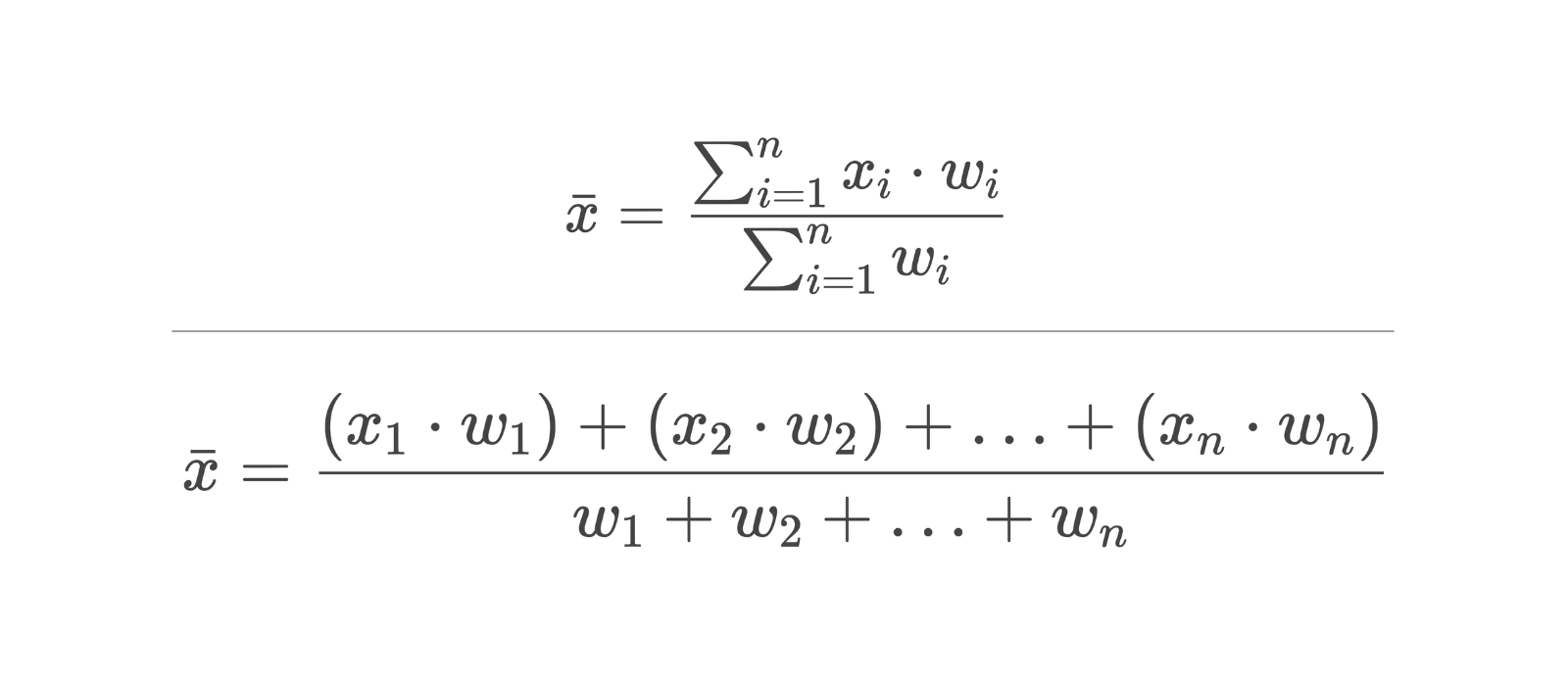
we give each component a slice of the paid price based on its list price's percentage of the total list price.
Example:
If a component makes up 25% of the bundle’s total list price value, it receives 25% of the offer's actual price.
After allocating that amount to the component, the system divides by the component’s included quantity to get a per-unit component effective price.
4. Listing-level breakdown
For deals where one or more listings will show up with a pro-rated "refund value" price on the receipt, the system will also show how much each listing contributed to a component’s price.
It does this by:
- Looking at each listing’s original (undiscounted) price, also referred to as Sticker Price.
- Using those to determine how much of the offer’s total paid price each listing should get.
- Running the same proportional list price allocation inside each listing.
This produces per-listing values where the component effective prices for each listing will add up to the receipt value of that listing.
5. Special rules for missing list prices
If a component does not have a list price:
- If it is an accessory, the system treats its list price as $0 (it simply gets no weight). Many accessories have been assigned a list price; however, some accessories add very little value to the offer and excluding them from the calculation does not significantly change the component effective pricing of other components in the offer.
- If it is not an accessory, the offer cannot produce valid component effective prices. This prevents the distortion of component effective prices for other components in the offer.
7. Offer discount percentages
You may be asking yourself, "why would we use the sum of component list prices to calculate an offer's discount percentage? List price is just a marketing tool for manufacturers and retailers to make it seem like you are getting a good deal!"
And you wouldn't be wrong. But the reason we do this is simple: consistency and comparability. While list price may not be equal to fair street price, what it provides is:
- a consistent benchmark to compare different offers against each other, and
- a reasonable, defendable and obtainable estimate to use for weighting the value of each component against other components included in an offer.
ToolDecoded does not present "40% off list" as an indicator that it is a "good deal." In fact, ToolDecoded will never claim a deal is good, bad or otherwise without the context of a direct and meaningful comparison to other offers.
In other words, it's all relative.
Comments (0)
Be the first to leave a comment!